 ENERSTO 224
Relieve constrained grid connections
High-power battery dispatch limits short demand peaks and supports new electrical loads without automatically increasing the contracted grid connection.
Industrial battery energy storage system
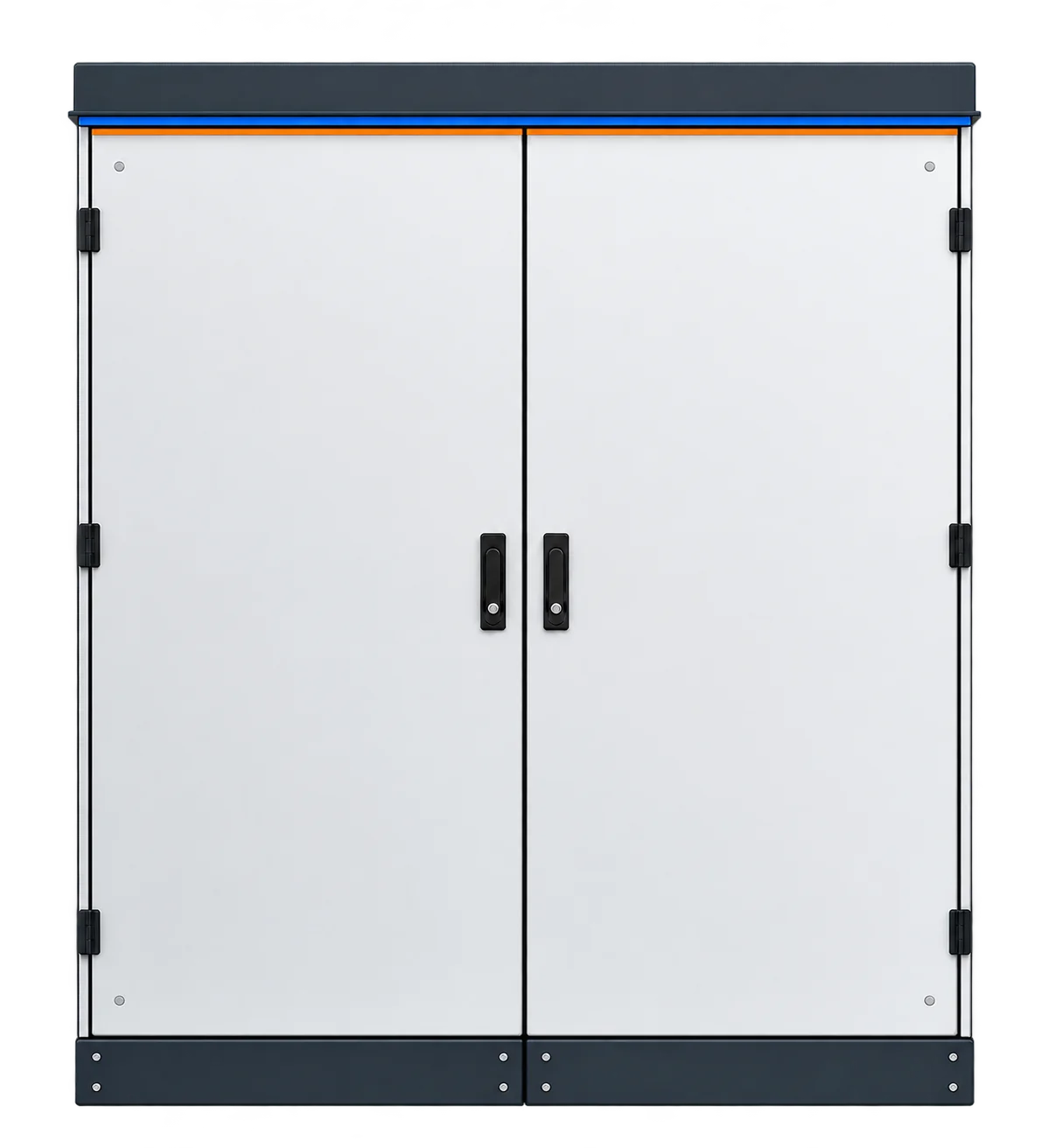
ENERSTO 224 provides higher power and capacity for production plants, logistics centers and large charging hubs. Its modular battery architecture and intelligent COMEXIO control coordinate peak shaving, solar integration and resilience strategies for energy-intensive operations.
Technical specifications
Values shown here are taken from the current ENERSTO 112-224 data sheet. Final system design is confirmed from the site load profile, grid connection and required operating strategy.
Modular capacity concept
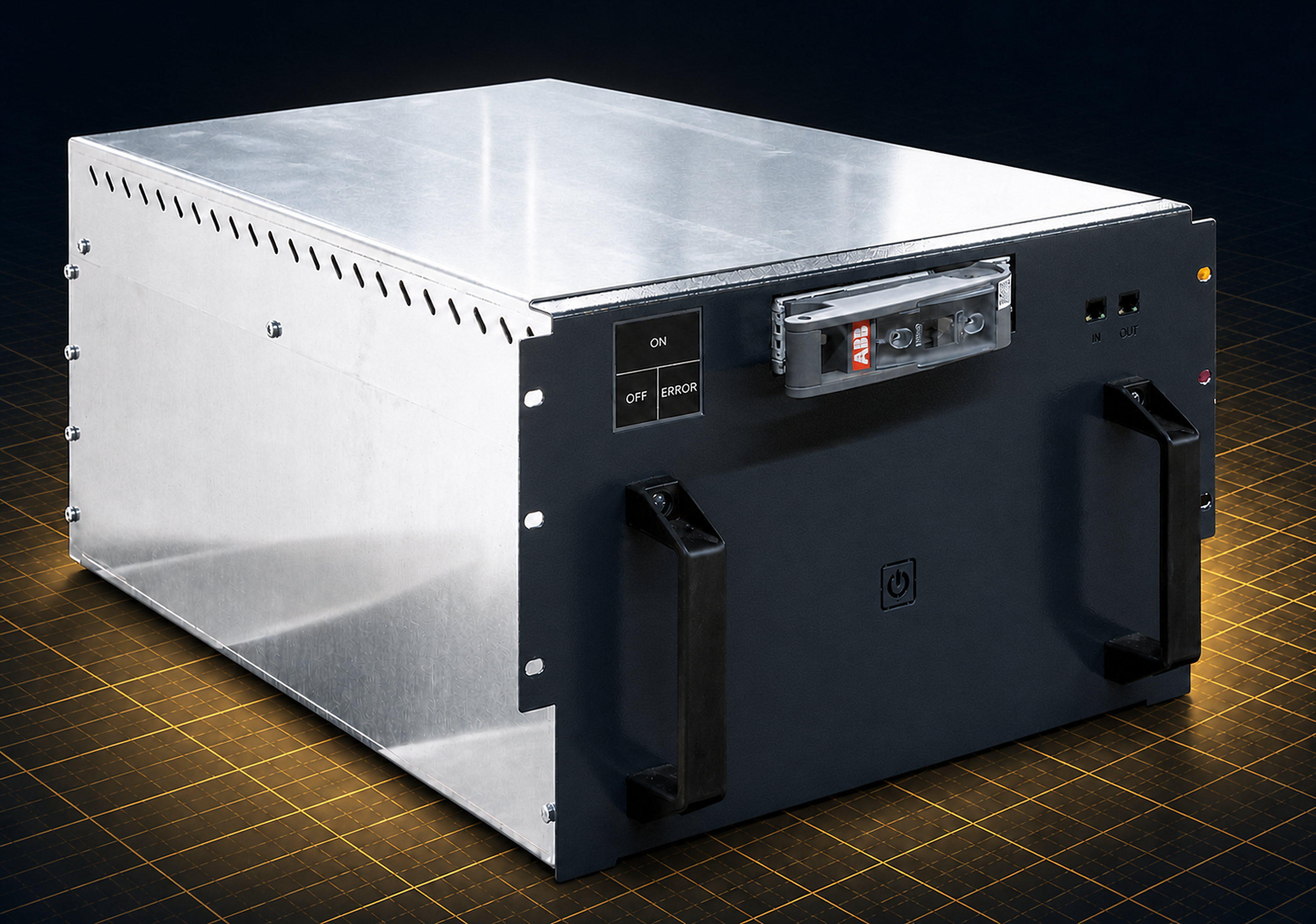
A standardized 16 kWh battery module is the building block of the ENERSTO platform. Capacity can be matched to the current load profile and increased later within the approved system range.
Capacity path for ENERSTO 224
ENERSTO 224 starts at 112 kWh and can be expanded module by module in 16 kWh steps up to 224 kWh. The scalable configuration supports phased industrial projects and provides a clear capacity path for future production, solar and charging loads.
Each expansion is technically assessed and commissioned for the existing system, available cabinet capacity and intended operating strategy.
System value
High-power battery dispatch limits short demand peaks and supports new electrical loads without automatically increasing the contracted grid connection.
The system stores surplus solar production and schedules its use around site demand, tariffs and operational priorities.
Configurable backup strategies help protect defined processes and infrastructure during grid disturbances or outages.
Applications
Frequently asked questions
The recommended range is approximately 20,000 to 180,000 kWh annual electricity consumption and 50 to 250 kWp of photovoltaic capacity. Project engineering confirms the required power and capacity from measured load data.
ENERSTO 224 supports seven to fourteen 16 kWh battery modules, providing a capacity range from 112 to 224 kWh.
Yes. The system can coordinate charging demand, available grid capacity and local generation to reduce peaks and improve the use of the site connection.